Protein Coffee: What It Is and How to Manufacture It at Scale
Protein coffee brings together two established beverage categories—coffee and protein—in one convenient ready-to-drink product. From cold brew protein drinks to creamy protein lattes, brands are finding new ways to combine coffee, caffeine, and functional nutrition into beverages designed for busy consumers.
But creating a protein coffee for mass production is more complicated than simply adding protein to coffee. The protein source, coffee base, flavor system, processing method, packaging, and shelf stability all need to work together.
For brands interested in entering the protein coffee market, understanding the commercial formulation and manufacturing process is an important first step.
What Is Protein Coffee?
Protein coffee is a beverage that combines coffee with a source of protein. It can be formulated as a traditional coffee drink, cold brew, latte-style beverage, or flavored ready-to-drink coffee.
Depending on the product concept, a protein coffee formula may include:
- Cold brew or brewed coffee
- Milk or dairy ingredients
- Plant-based milk alternatives
- Whey or milk proteins
- Plant-based proteins
- Sweeteners
- Natural or artificial flavors
- Stabilizers and emulsifiers
- Vitamins, minerals, or other functional ingredients
The finished product can be packaged in cans, bottles, or other ready-to-drink formats.
For consumers, the appeal is simple: coffee provides the familiar flavor and caffeine experience, while protein adds another functional component to the beverage.
For manufacturers, however, combining those ingredients into a stable, consistent product requires careful formulation.
Why Protein Coffee Requires Specialized Formulation
Coffee and protein each have unique formulation characteristics. When combined, they can affect the beverage's flavor, texture, appearance, and stability.
Protein can introduce challenges such as chalkiness, sedimentation, separation, or unwanted flavors. Coffee brings its own variables, including acidity, roast profile, extraction method, and concentration.
A commercially viable protein coffee needs to balance all of these factors.
Flavor
The coffee should remain recognizable while working with the protein and other ingredients.
Sweeteners, dairy ingredients, flavors, and different protein sources can all affect the finished flavor profile. Formulators need to consider how these ingredients interact rather than evaluating them individually.
Texture and Mouthfeel
Protein can add body to a beverage, but the wrong protein or formulation can create a thick, gritty, or chalky mouthfeel. For a ready-to-drink coffee, the goal is typically a smooth and enjoyable drinking experience.
Protein Solubility
The protein needs to remain properly dispersed throughout the beverage.
Protein selection, hydration, ingredient order, pH, processing, and other formulation factors can all influence how the protein behaves in the finished product.
Stability
A protein coffee needs to remain consistent throughout its intended shelf life.
Commercial testing may evaluate:
- Separation
- Sedimentation
- Changes in viscosity
- Color changes
- Flavor changes
- Protein stability
- Overall appearance
A beverage that looks and tastes great immediately after formulation still needs to perform after processing, shipping, storage, and time on the shelf.
Choosing the Right Protein for a Coffee Beverage
Protein selection is one of the most important decisions in developing a protein coffee.
Different protein ingredients have different characteristics, including solubility, flavor, texture, nutritional properties, and processing behavior.
Potential protein sources may include:
- Whey protein
- Milk protein concentrate
- Milk protein isolate
- Casein-based ingredients
- Soy protein
- Pea protein
- Other plant-based proteins
The appropriate protein depends on the product concept.
A creamy dairy-based protein latte, for example, may require a very different formulation approach than a plant-based cold brew protein beverage.
Protein shouldn't be treated as an ingredient that can simply be added to an existing coffee formula. It needs to be considered as part of the complete beverage system.
How Protein Coffee Is Developed for Commercial Production
Taking a protein coffee from an initial concept to a mass-produced beverage involves several stages.
1. Define the Product Concept
Before formulation begins, the brand needs to establish what the product is intended to be.
Important considerations include:
- Cold brew or brewed coffee?
- Black coffee or creamy latte?
- Dairy or plant-based?
- Desired protein content per serving?
- Desired caffeine level?
- Flavored or unflavored?
- Sweetened or unsweetened?
- Can or bottle?
- Refrigerated or shelf-stable?
These decisions influence the formulation and manufacturing process.
2. Develop the Formula
A beverage formulator develops a formula around the desired flavor, nutrition, texture, processing requirements, and shelf-life goals.
Coffee, protein, sweeteners, flavors, dairy or dairy alternatives, stabilizers, and other ingredients need to be evaluated as a complete system.
The goal isn't simply to create a beverage that tastes good when freshly mixed. The formula needs to be designed to perform throughout processing and its intended shelf life.
3. Conduct Stability Testing
Once an initial formula has been developed, the beverage can undergo testing to evaluate how it performs over time.
Depending on the product, testing may examine:
- Flavor
- Appearance
- pH
- Viscosity
- Protein dispersion
- Separation
- Sedimentation
- Shelf-life performance
Stability testing can identify formulation issues before the product moves into full-scale production.
4. Determine the Processing Method
Processing is a critical part of developing a commercially manufactured protein coffee.
The appropriate process depends on the specific formulation, packaging, and shelf-life requirements.
Thermal processing, for example, can affect protein functionality, flavor, texture, and stability. The manufacturing process therefore needs to be considered alongside the formulation rather than after the formula is complete.
The final process must also meet applicable food safety requirements and be validated for the specific product.
5. Scale the Formula for Production
A formula that performs well in a laboratory or small pilot batch isn't automatically ready for mass production.
Commercial scale-up introduces additional considerations, including:
- Larger batch volumes
- Ingredient hydration
- Mixing
- Ingredient addition order
- Equipment capabilities
- Homogenization
- Processing conditions
- Fill conditions
- Production speed
- Packaging specifications
The objective is to develop a repeatable manufacturing process that produces a consistent beverage batch after batch.
Packaging Protein Coffee for Retail
Packaging plays an important role in commercial protein coffee production.
Depending on the product, protein coffee may be packaged in:
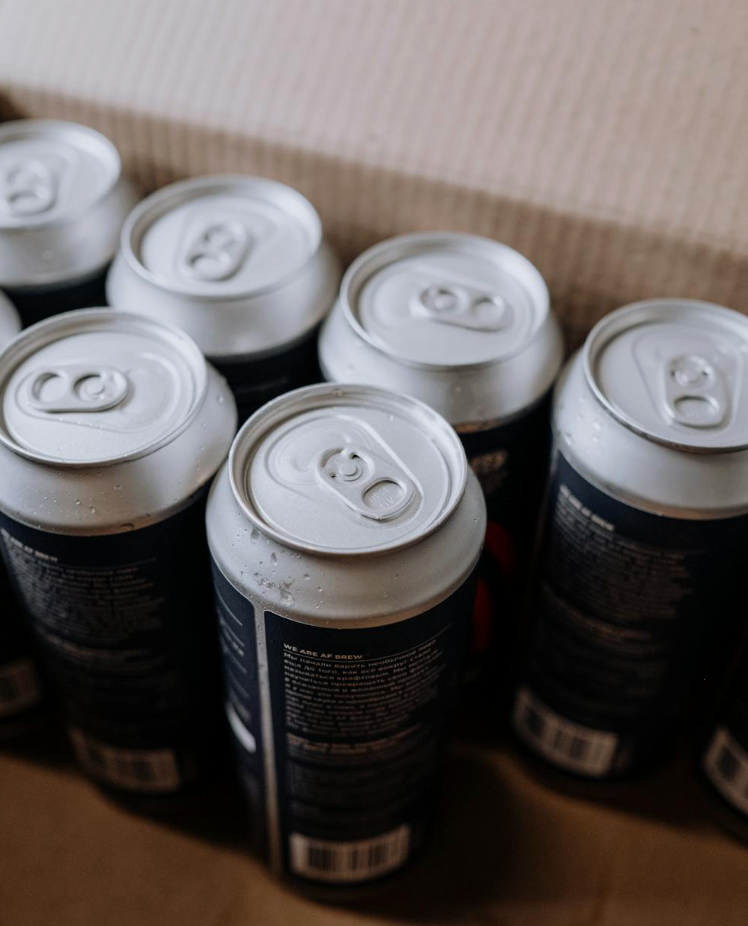
- Aluminum cans
- PET bottles
- HDPE bottles
- Other ready-to-drink beverage formats
The package needs to be compatible with the beverage and its processing requirements while helping protect the product during transportation and storage.
Packaging also contributes to the consumer experience. Protein coffee is often positioned around convenience, making portability and easy consumption important parts of the product concept.
Challenges of Mass Producing Protein Coffee
Moving from a small-batch protein coffee to commercial production can introduce challenges that aren't always obvious during initial formulation.
The beverage needs to remain consistent when production volumes increase. Mixing, ingredient dispersion, processing, filling, and packaging all have to work together.
A formulation may also need to be adjusted during scale-up to account for differences between laboratory equipment and commercial manufacturing equipment.
This is why working with a beverage manufacturer during development can help identify potential production issues early.
From Protein Coffee Concept to Commercial Product
Protein coffee sits at the intersection of several growing beverage categories: ready-to-drink coffee, functional beverages, and protein-focused nutrition.
For brands, that creates opportunities to develop products ranging from simple protein cold brews to flavored lattes and more specialized functional coffee beverages.
But successfully bringing one of these products to market requires more than a good recipe.
The coffee base, protein source, flavor system, processing method, packaging, and shelf stability all need to be considered together.
Protein Coffee Manufacturing with Big Brands
Developing a protein coffee for mass production starts with understanding how the product will be formulated, processed, packaged, and distributed.
Big Brands Beverage works with beverage companies developing ready-to-drink coffee and functional beverage products, helping turn beverage concepts into products designed for commercial production.
Whether you're developing a protein coffee, cold brew, protein latte, functional coffee, or another RTD beverage, working with an experienced beverage manufacturing partner can help move the product from concept to commercial scale.
Have a protein coffee concept you'd like to bring to market? Contact Big Brands Beverage to discuss formulation and manufacturing options.