Cold Brew Canned Beverage Manufacturing: From Coffee Concept to Commercial Production
Cold brew has moved far beyond the coffee shop. Consumers are looking for convenient coffee beverages they can grab from the refrigerator, take on the go, and enjoy without brewing a cup themselves. That demand has created opportunities for brands to develop everything from ready-to-drink cold brew and flavored coffee beverages to functional cold brew, protein coffee, and manufacturing alcoholic coffee cocktails.
But turning a cold brew concept into a commercially manufactured canned beverage requires more than putting coffee in a can. The coffee needs to be developed for the finished product, the formulation needs to remain consistent at scale, and the packaging and manufacturing process need to work together.
At Big Brands, we help beverage companies move from cold brew concept and formulation to commercial canned production.
What Is Canned Cold Brew?
Cold brew is coffee that is extracted using cold or room-temperature water over an extended period of time, rather than brewed quickly with hot water. The result is typically a coffee beverage with a smooth, rich flavor profile and less of the sharp acidity associated with traditionally hot-brewed coffee. For commercial beverage brands, cold brew can be developed as a finished ready-to-drink beverage or as part of a more complex formulation.
Depending on the concept, a canned cold brew may include:
- Cold brew coffee
- Water
- Sweeteners
- Milk or dairy ingredients
- Plant-based milk
- Natural flavors
- Vanilla
- Chocolate
- Caramel
- Functional ingredients
- Protein
- Other specialty ingredients
The formulation depends on the product concept and target consumer.
Developing a Cold Brew Beverage Starts With the Coffee
Not all coffee tastes the same. Bean variety, roast profile, origin, grind, extraction method, and brewing parameters can all influence the final flavor. For a commercial cold brew product, the coffee itself becomes one of the most important components of the formulation.
The development process may consider:
Roast Profile - Light, medium, and dark roasts can create very different flavor experiences.
Coffee Origin - Different origins can contribute different characteristics, including fruity, chocolate, nutty, floral, or earthy notes.
Extraction - Extraction parameters can influence the strength, bitterness, acidity, aroma, and overall character of the cold brew.
Concentration - A brand needs to determine whether the product will be formulated around a ready-to-drink cold brew or a more concentrated coffee base that is subsequently blended into the finished beverage.
The goal is to develop a coffee profile that works as a finished canned product, not simply as a great cup of cold brew.
Cold Brew Formulation: More Than Coffee and Water
Once the coffee profile has been established, formulation can begin. A simple black cold brew may have a relatively short ingredient list. But today's RTD coffee market includes much more complex products.
Brands are developing:
- Sweetened cold brew
- Vanilla cold brew
- Mocha cold brew
- Caramel coffee
- Cold brew with milk
- Plant-based cold brew
- Protein coffee
- Functional coffee
- Energy coffee
- Low-sugar coffee
- Ready-to-drink lattes
- Nitro cold brew
- Alcoholic coffee beverages
Each formulation creates its own technical considerations.
Balancing Flavor
A commercially successful cold brew needs balance. Coffee naturally contributes bitterness, acidity, aroma, roast characteristics, and body. Additional ingredients can change how those characteristics are perceived.
For example, sweeteners can soften bitterness, while milk or plant-based ingredients can change the beverage's body and mouthfeel. Flavor ingredients can add another dimension.
A vanilla cold brew isn't simply cold brew plus vanilla flavor. The formulation needs to determine how much vanilla complements the coffee without overpowering it. The goal is to create a beverage where the components work together.
Coffee should remain recognizable as coffee while delivering the flavor experience the brand promises.
Sweeteners and Sugar Considerations
Sweetness plays an important role in many cold brew beverages.
Depending on the product positioning, brands may choose from different sweetening approaches, including:
- Cane sugar
- Other traditional sweeteners
- Low-calorie sweeteners
- Alternative sweeteners
- Blended sweetener systems
The choice affects more than sweetness.
Sweeteners can influence:
- Flavor
- Mouthfeel
- Caloric content
- Aftertaste
- Product positioning
- Ingredient labeling
A formulation team can help determine how the sweetener system works with the coffee and other ingredients in the finished beverage.
Dairy and Plant-Based Cold Brew
Milk-based and plant-based coffee beverages introduce additional formulation considerations.
Adding dairy or a plant-based ingredient can change:
- Texture
- Body
- Flavor
- Stability
- Processing requirements
- Shelf-life considerations
- Packaging requirements
Plant-based beverages can be particularly formulation-intensive because different bases—such as oat, almond, coconut, or other alternatives—can behave differently in a finished coffee beverage. The formulation needs to account for how those ingredients interact with the coffee and the intended manufacturing process.
Cold Brew and Functional Ingredients
Coffee has also become a platform for functional beverage innovation.
Brands may develop cold brew products incorporating ingredients associated with:
- Protein
- Energy
- Focus
- Adaptogens
- Vitamins
- Minerals
- Other functional ingredients
Adding functional ingredients isn't as simple as adding them to a coffee recipe. They need to be evaluated for taste, solubility, stability, processing compatibility, and overall formulation performance. The result should still taste like a beverage consumers actually want to drink.
Canned Cold Brew Packaging
Once the formulation is established, the package becomes an important part of the product.
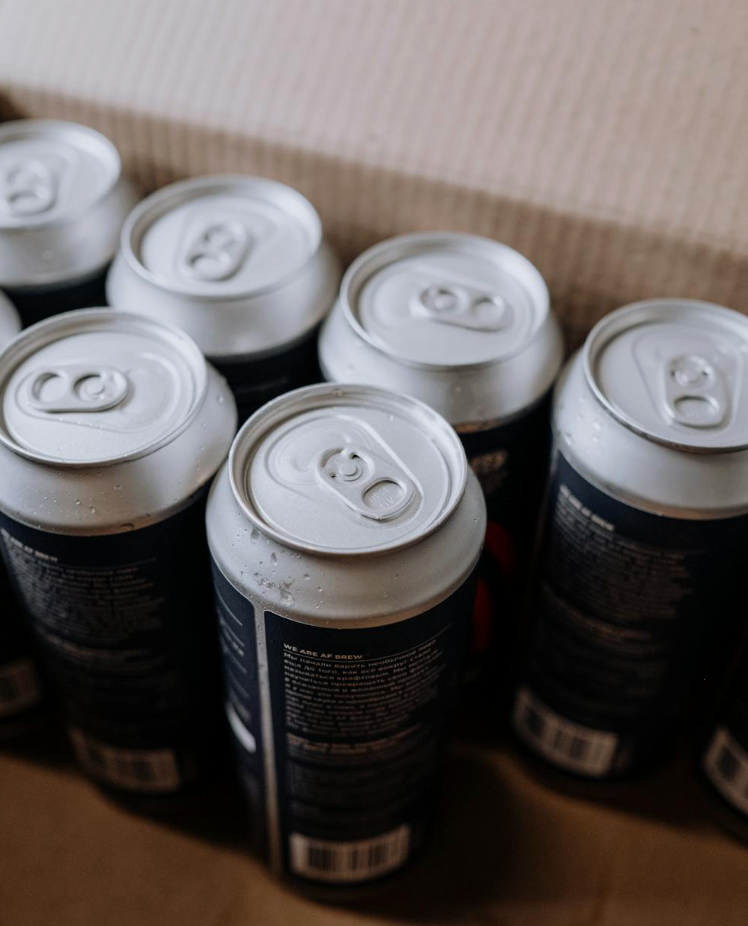
Aluminum cans are a popular format for ready-to-drink cold brew.
Cans offer several advantages for commercial beverages:
- Portable
- Convenient
- Lightweight
- Stackable
- Easy to refrigerate
- Suitable for single-serve products
- Large surface area for branding
Depending on the product, cold brew may also be packaged in other formats. The appropriate package depends on the formulation, processing requirements, brand strategy, distribution, and target consumer.
Why Commercial Cold Brew Manufacturing Is Different
Making a batch of cold brew in a coffee shop is very different from producing a canned beverage at commercial scale.
A commercial manufacturer needs to consider:
- Batch consistency
- Coffee extraction
- Ingredient incorporation
- Mixing
- Processing
- Filling
- Packaging
- Quality control
- Shelf-life
- Storage
- Distribution
A formula that works in a small test batch needs to be evaluated to determine whether it can be repeated consistently at commercial scale. That's where beverage formulation and manufacturing come together.
Cold Brew Scale-Up
One of the most important steps in product development is moving from a small formulation to a commercial production batch. At bench scale, you may be working with a few gallons—or even less. Commercial production can involve hundreds or thousands of gallons. Scaling the ingredients isn't always as simple as multiplying every number. Mixing, ingredient addition, temperature, processing, equipment, and filling can all affect the finished beverage. That's why commercial scale-up should be considered during formulation—not after the formula is already finalized.
Shelf Life and Stability
Cold brew brands also need to think about what happens to the product after it leaves the production facility.
The beverage development process moves through from the may spend weeks or months moving through:
Manufacturing → Warehousing → Distribution → Retail → Consumer
The formulation and processing approach need to support the product's intended shelf life and storage conditions.
Depending on the product, stability considerations may include:
- Flavor changes
- Color
- Separation
- Sedimentation
- Microbial stability
- Ingredient interactions
- Packaging compatibility
Shelf-life evaluation and appropriate testing are important parts of developing a commercial RTD coffee product.
Nitro Cold Brew
For brands looking for a more premium or distinctive coffee experience, nitro cold brew can offer another product development opportunity. Nitrogen can create a smooth mouthfeel and characteristic cascading appearance that consumers associate with draft-style coffee.
However, nitro products require specialized consideration during formulation, processing, and packaging.
The manufacturing process needs to be designed around the desired nitrogenation and finished package.
Alcoholic Cold Brew & Coffee Cocktails
Cold brew isn't limited to non-alcoholic beverages.
Coffee can also serve as a base for alcoholic RTD products such as:
- Espresso Martinis
- Coffee cocktails
- Bourbon coffee drinks
- Whiskey coffee beverages
- Cream-based coffee cocktails
Alcohol changes the formulation equation, so these products require consideration of the interaction between coffee, alcohol, sweeteners, flavors, and other ingredients.
For brands developing an alcoholic cold brew or coffee cocktail, formulation and alcohol beverage manufacturing need to be considered together.
From Cold Brew Concept to Commercial Production
Developing a canned cold brew can involve several stages:
- Concept Development
- Coffee & Flavor Development
- Formulation
- Samples
- Testing & Refinement
- Commercial Scale-Up
- Packaging & Filling
- Quality Control
- Commercial Production
Every product is different, and the exact process depends on the formulation and manufacturing requirements.
We strive to have every cold brew beverage product tastes great, performs consistently, and can be manufactured at scale.
Why Work With a Cold Brew Beverage Manufacturer?
Building your own commercial coffee and beverage production facility can require significant investment in equipment, facilities, personnel, quality systems, and production infrastructure. Working with an experienced beverage manufacturing partner allows brands to access established production capabilities without building an entire manufacturing operation from scratch.
At Big Brands, we can help beverage companies navigate the path from formulation and flavor development through commercial manufacturing and packaging. Whether you're developing a traditional black cold brew, flavored coffee, functional cold brew, protein coffee, nitro product, or alcoholic coffee beverage, we can help you explore the requirements for bringing your concept to commercial production.
Ready to Bring Your Cold Brew to Market?
Your cold brew may start with a great coffee bean and a great idea.
But creating a successful canned beverage requires bringing together coffee, formulation, ingredients, processing, packaging, and commercial manufacturing.
Big Brands helps beverage companies turn those individual pieces into a finished product.
Have a cold brew concept?
Let's talk about turning it into a commercially manufactured beverage.
Start Your Beverage Project