How to Manufacture a Ready-to-Drink (RTD) Protein Beverage: Step-by-Step Guide
How to Manufacture a Ready-to-Drink (RTD) Protein Beverage: Step-by-Step Guide
Protein beverages are one of the fastest-growing categories in the functional beverage market. Consumers want convenient, tasty, and nutritious drinks that fit into their busy lifestyles. From athletes looking for post-workout recovery to professionals grabbing an on-the-go meal replacement, RTD protein drinks are in high demand.
If you’re considering manufacturing RTD protein beverages, Big Brands is here to help. We’ve put together a breakdown, from start-to-finish, for the steps for RTD protein beverage manufacturing.
Step 1: Define Your Target Market
Your audience determines your formulation, flavor, and marketing. Some questions to think about when defining your target market for your RTD protein beverage.
- Is your product for athletes (high-protein, performance-focused)?
- Lifestyle consumers (balanced nutrition, clean-label appeal)?
- Meal replacement market (higher calories, added vitamins/minerals)?
A clear target market helps guide the type of protein, sweetness level, and packaging.
Step 2: Select Protein Sources
Choosing the right protein is critical with formulating RTD protein beverages. Each option has unique taste, texture, and consumer appeal:
- Whey Protein: Popular, fast-digesting, and complete amino acid profile.
- Casein Protein: Slower digesting, great for satiety.
- Plant-Based Proteins (pea, soy, rice, hemp): Perfect for vegan or dairy-free markets.
- Protein Blends: Combining multiple sources for better flavor, texture, and nutrition.
Consider functionality (solubility, stability), allergen concerns, and consumer preferences when formulating the protein for your RTD protein beverage.
Step 3: Formulate for Taste & Stability
RTD protein drinks face unique challenges: protein can clump, settle, or create chalky textures. To address this:
- Use stabilizers and emulsifiers for smooth mouthfeel.
- Balance protein with carbs and fats for taste.
- Add natural flavors, sweeteners, or cocoa/vanilla for palatability.
- Adjust acidity and pH for product stability.
Working with Big Brands's beverage formulation team ensures your drink is not only nutritious but enjoyable to consume.
Step 4: Add Functional Ingredients
Differentiate your product by layering in functional benefits:
- Vitamins & Minerals (meal replacement positioning)
- Adaptogens (ashwagandha, reishi)
- Electrolytes (hydration support)
- Fiber (digestive health)
These RTD protein ingredients can boost appeal, but must be balanced carefully to maintain flavor and stability.
Step 5: Choose Packaging Format
Packaging is just as important as formulation. RTD protein beverages are commonly packaged in:
- Tetra Pak Cartons: Lightweight, shelf-stable, eco-friendly.
- PET Bottles: Convenient, clear, consumer-friendly.
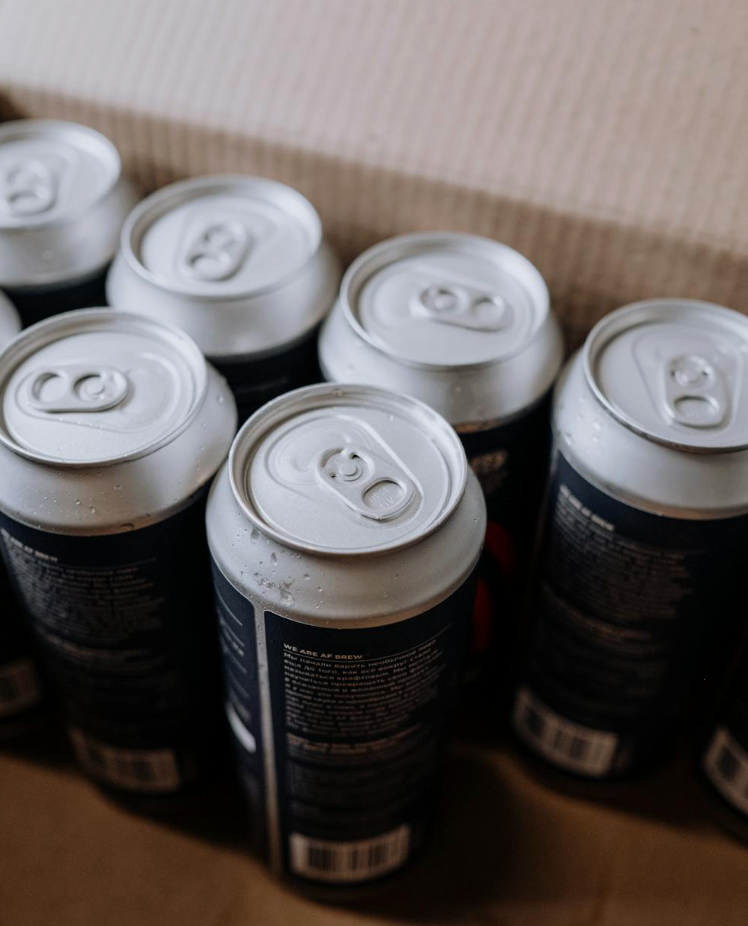
- Aluminum Cans: Trendy, portable, and recyclable.
- Glass Bottles: Premium appeal, though less common for protein due to fragility.
Your choice depends on brand image, cost, and distribution strategy.
Step 6: Processing & Shelf Life
RTD protein drinks need processing to ensure safety and stability. Options include:
- Aseptic Processing: Extends shelf life without refrigeration.
- Retort Processing: High-heat sterilization, longer shelf stability.
- HTST Pasteurization: Shorter shelf life but maintains fresher flavor.
Protein stability under heat must be tested, since some proteins denature or lose solubility.
Step 7: Compliance & Labeling
Regulatory compliance is critical. You’ll need:
- Nutrition Facts Panel
- Ingredient Statement
- Allergen Declaration
- Claims (e.g., “20g protein per bottle,” “plant-based”) must meet FDA/FTC guidelines.
Step 8: Scale Production with a Co-Packer
Partnering with an experienced co-packer allows you to scale from pilot batches to full production runs. They’ll help with:
- Ingredient sourcing
- Mixing, processing, and filling
- Quality assurance
- Packaging and distribution
Step 9: Launch & Market Strategically
Once the product is ready, success comes down to branding and positioning. Highlight key differentiators:
- Protein type (whey, plant-based, blend)
- Functional benefits (recovery, energy, meal replacement)
- Lifestyle connection (fitness, wellness, sustainability)
Sampling, influencer partnerships, and retail placement are key for breaking into this competitive market.
Benefits of RTD Protein Beverages
Protein is a vital ingredient that keeps you feeling full, increases energy, and helps in muscle growth and repair. Ready-to-drink (RTD) protein beverages have emerged as a practical means of fulfilling daily protein requirements in today's hectic world. They come in a range of flavors to suit everyone's taste, are simple to take on the go, and don't need to be prepared.
If you’re curious about making a protein drink, we’ve provided you with an overview of some popular ready-to-drink protein beverages options and their advantages.
Popular Ready-To-Drink Protein Beverages
By looking at some of the popular RTD protein beverage brands, you can get some ideas on the type of RTD protein beverage you want to manufacture.
Premier Protein Shakes
Premier Protein is among the most well-known brands available. Each bottle has only 160 calories, 1 gram of sugar, and 30 grams of protein. Chocolate, vanilla, and caramel are just a few of the delectable flavors available in these shakes. They make a fantastic meal replacement or post-workout recovery food.
Muscle Milk Ready-To-Drink
Athletes and fitness fanatics trust the brand Muscle Milk. Depending on the size, their RTD shakes have between 25 and 40 grams of protein. They also contain minerals and vitamins that promote general health and muscle function, such as potassium, magnesium, and calcium.
Core Power by Fairlife
Ultra-filtered milk is used to make Core Power, a premium protein source. In addition to natural milk sugars for energy, each bottle has 26–42 grams of protein. For people looking for a protein drink that is both creamy and clean, this is a terrific option.
Orgain Organic Protein Shakes
For those who prefer plant-based options, Orgain offers organic protein shakes made with pea protein, brown rice protein, and chia seeds. Each bottle contains 20 grams of protein, making it a healthy and vegan-friendly option. They’re also free of artificial sweeteners and preservatives.
Ensure Max Protein
Ensure Max Protein is designed for people who want a balanced shake with added nutritional benefits. Each bottle contains 30 grams of protein, 1 gram of sugar, and 150 calories. It also includes essential vitamins and minerals to support overall wellness.
Benefits of Ready-To-Drink Protein Beverages
- Convenience: RTD protein drinks are ideal for those customers on the go because they come pre-packaged and ready to drink. You can simply get your protein fix without cooking or blending while you're at the gym, at work, or on the go.
- Supports Muscle Recovery: Supports Muscle Recovery After exercise, protein is essential for muscle repair and reconstruction. After working out, consuming a protein shake helps hasten recuperation and lessen discomfort in the muscles.
- Helps Manage Weight: Protein prolongs feelings of fullness and lessens the desire to reach for harmful snacks. RTD protein drinks might help you reach your weight management objectives by serving as a nutritious snack or meal replacement.
- Provides Essential Nutrients Many RTD protein drinks include added vitamins and minerals like calcium, vitamin D, and iron. These nutrients support bone health, energy production, and immune function.
- Caters to Different Diets Whether you’re on a plant-based, keto, or low-sugar diet, there’s an RTD protein drink for you. With so many options available, it’s easy to find one that fits your lifestyle and dietary needs.
Ready to Make an RTD Protein Beverage?
Big Brands is here to help manufacture your RTD protein beverage. Protein drinks are an excellent way to fuel your body and stay on track with your customer’s health goals.
Final Thoughts
Manufacturing an RTD protein beverage is a balance of science, flavor, and branding. By starting with a clear target audience, carefully selecting protein sources, and working with expert formulators and co-packers, you can create a product that stands out in the booming functional beverage category.
The result? A convenient, nutritious, and great-tasting drink that consumers will reach for again and again.