Electrolyte Drink Copacker - Big Brands, the Right Manufacturing Partner
Electrolyte Drink Copacker: How to Choose the Right Manufacturing Partner
The demand for electrolyte drinks continues to create opportunities for beverage brands looking to develop products for hydration, fitness, active lifestyles, and everyday wellness. Whether you're launching a new hydration beverage or expanding an established product line, finding the right electrolyte drink copacker is an important step in bringing your product to market.
An experienced electrolyte beverage manufacturer can help streamline production, maintain product consistency, and support the transition from initial formulation to commercial-scale manufacturing. Understanding what to look for in a contract manufacturing partner can help you make informed decisions as you develop and grow your beverage brand.
What Is an Electrolyte Drink Copacker?
An electrolyte drink copacker is a contract beverage manufacturer that produces electrolyte beverages on behalf of another company. Rather than investing in your own manufacturing facility, equipment, and production workforce, you work with an established manufacturing partner to produce your beverage.
Depending on the manufacturer's capabilities, services may include:
- Beverage formulation and product development
- Ingredient sourcing and procurement
- Electrolyte blending and beverage processing
- Filling, packaging, and labeling
- Quality assurance and production testing
- Commercial-scale production and packaging support
Some copackers offer comprehensive beverage manufacturing services, while others specialize in particular formulations, packaging formats, or production processes. Identifying a partner whose capabilities align with your product is essential.
What to Consider When Choosing an Electrolyte Beverage Manufacturer
Not every beverage copacker is equipped to produce every type of electrolyte drink. Before selecting a manufacturing partner, evaluate the technical requirements of your formulation, your packaging needs, and your anticipated production volume.
1. Beverage Formulation and Ingredient Compatibility
Electrolyte beverages can vary significantly in composition. A product may contain sodium, potassium, magnesium, calcium, carbohydrates, sweeteners, flavors, vitamins, or other functional ingredients.
Each ingredient can affect the beverage's taste, stability, solubility, and processing requirements. Mineral salts, for example, may introduce bitterness or affect clarity, while certain ingredients may interact with acids, flavors, or other components.
When evaluating an electrolyte drink copacker, discuss your formulation goals and ask whether the manufacturer can support your specific ingredient system.
Important considerations include:
- Desired electrolyte concentrations and ratios
- Flavor profile and sweetness level
- Sugar-free, low-sugar, or carbohydrate-containing formulations
- Ingredient solubility and potential sedimentation
- Product stability throughout its intended shelf life
- Processing requirements and compatibility with the packaging format
A well-developed formulation should balance consumer appeal with manufacturing feasibility. Addressing these considerations early can help reduce formulation changes and production challenges later.
2. Manufacturing Capabilities and Production Scale
Your ideal electrolyte beverage contract manufacturer should be able to accommodate your current production needs while supporting future growth.
A startup brand may require an initial commercial run to evaluate demand, while an established company may need recurring production at significantly higher volumes. Minimum order quantities, production scheduling, equipment capacity, and changeover requirements can all influence the suitability of a copacker.
Before committing to a partner, ask about:
- Minimum production runs
- Available batch sizes and production capacity
- Equipment compatibility with your formulation
- Ingredient procurement lead times
- Production scheduling and turnaround expectations
- Ability to accommodate growing order volumes
Understanding these factors helps you evaluate the operational and financial implications of your manufacturing arrangement.
3. Packaging Options for Electrolyte Drinks
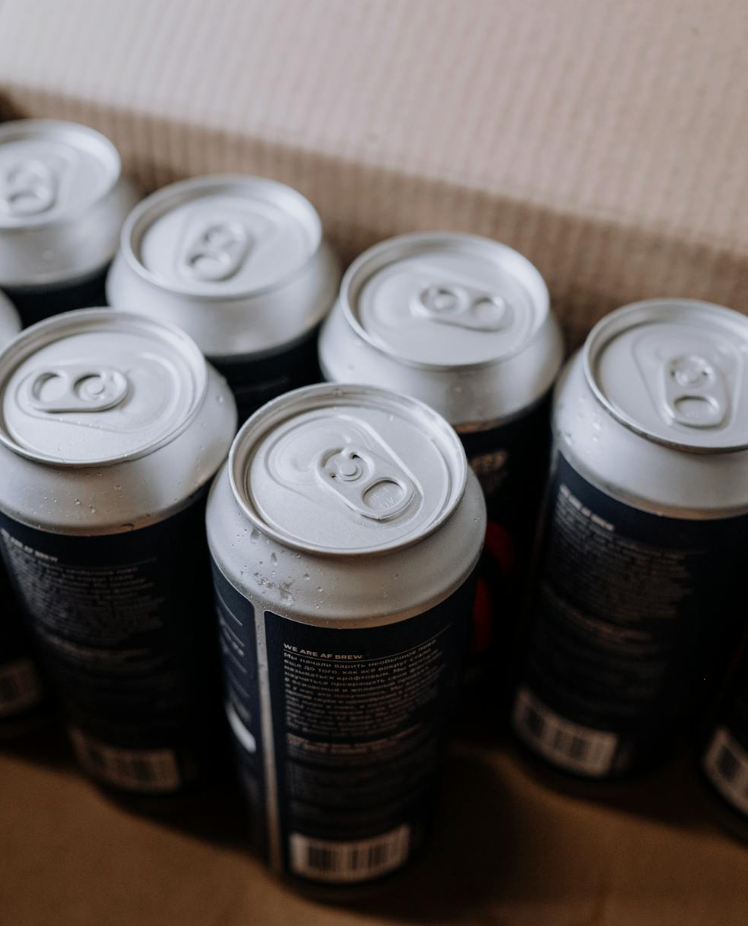
Packaging influences product presentation, distribution, storage, and manufacturing requirements. Depending on your target market and product concept, you may be considering bottles, cans, or other beverage packaging formats.
Not every contract manufacturer supports every container type, size, or closure. Packaging decisions should therefore be evaluated alongside formulation and processing requirements rather than treated as a separate consideration.
Discuss your preferred packaging format with potential manufacturing partners and confirm that their equipment can accommodate your specifications. You should also consider how packaging affects shipping costs, retail display, product protection, and the overall customer experience.
4. Food Safety, Quality Assurance, and Shelf Life
Electrolyte beverages must be manufactured under appropriate food safety and quality controls. The specific processing requirements depend on the formulation, acidity, packaging, and intended storage conditions.
For example, a shelf-stable acidic beverage may require different processing and validation considerations than a refrigerated product. Ingredient selection and the presence of vitamins, minerals, sweeteners, and flavor compounds may also affect stability.
When evaluating an electrolyte drink copacker, ask about its quality management systems, ingredient traceability, testing procedures, and experience with products similar to yours. Depending on the product, development and validation may involve pH testing, microbiological assessments, stability studies, and verification of the selected processing method. Shelf-life expectations should be supported by appropriate product testing and validation rather than assumptions based solely on the ingredient list.
5. Cost, Minimum Order Quantities, and Supply Chain
Manufacturing costs extend beyond the price of filling each bottle or can. Ingredient costs, packaging materials, production setup, quality testing, freight, storage, and minimum order quantities can all affect the total cost of bringing an electrolyte beverage to market.
Request a detailed quotation that identifies the major cost components and clarifies which services are included.
It is also important to understand who is responsible for purchasing ingredients and packaging materials, how inventory is managed, and what happens if a supplier experiences a delay. Evaluating the full cost structure can help you build a more realistic production budget and protect your margins as the business grows.
Custom Electrolyte Beverage Formulation
Brands exploring electrolyte beverage manufacturing generally consider two approaches: private-label products and custom formulations.
Custom electrolyte drink formulation provides greater control over the product's ingredient profile, flavor, sweetness, and positioning. This approach can help brands develop a differentiated beverage, although formulation development, testing, and production preparation may require additional time and investment.
The right option depends on your business objectives, budget, launch timeline, and desired level of product differentiation.
If your goal is to build a distinctive hydration brand, discuss your product concept and technical requirements with a manufacturer early in the development process.
Partner With Big Brands for Beverage Manufacturing
Bringing an electrolyte beverage to market requires more than an appealing product concept. Formulation, ingredient compatibility, processing, packaging, quality assurance, and production planning all contribute to a successful manufacturing program.
Choosing the right electrolyte drink copacker can help you navigate these requirements while building a foundation for consistent commercial production.
Big Brands works with beverage businesses to support their manufacturing needs, helping brands evaluate the requirements involved in taking a beverage from concept to production. If you're developing a new electrolyte drink or preparing to scale an existing product, the right manufacturing conversation starts with understanding your formulation, packaging, and production goals.
Contact Big Brands to discuss your beverage manufacturing project and explore the next steps toward commercial production.