Cream-Based Beverage Copacking
Cream-Based Beverage Copacking: From Formulation to Finished Product for Alcoholic and Non-Alcoholic Brands
Cream-based beverages have become one of the most exciting opportunities in beverage innovation. From indulgent non-alcoholic dessert-style mocktails to premium cream liqueurs and alcohol-free cream alternatives, consumers are increasingly looking for beverages that deliver richness, texture, and elevated flavor experiences.
For brands looking to launch a cream-based beverage, success depends on much more than a great recipe.
Cream beverages require specialized formulation expertise, careful ingredient selection, stability testing, processing precision, packaging compatibility, and the right copacking partner to take a concept from idea to shelf-ready product.
Whether you’re developing an alcoholic cream liqueur, a ready-to-drink cream cocktail, or a non-alcoholic creamy functional beverage, understanding the manufacturing process is essential.
Why Cream-Based Beverages Are Growing
Consumers are drawn to cream-based beverages because they offer:
- Indulgent mouthfeel
- Premium sensory experience
- Dessert-inspired flavor profiles
- Seasonal versatility
- Strong gifting and holiday appeal
- Elevated non-alcoholic alternatives
Alcoholic Cream Products
- Cream liqueurs
- Bourbon cream
- Rum cream
- Dessert-inspired ready-to-drink cocktails
- Seasonal holiday cream beverages
Non-Alcoholic Cream Products
- Cream-based mocktails
- Functional relaxation beverages
- Dairy-free dessert beverages
- Premium alcohol-free spirit alternatives
- Ready-to-drink indulgent mocktails
Step 1: Product Concept Development
Every successful cream beverage begins with clear positioning.
Who is your target consumer?
Are you formulating for:
- Premium cocktail consumers
- Health-conscious non-drinkers
- Functional beverage users
- Seasonal retail buyers
- Café and hospitality channels
What experience are you delivering?
Cream beverages often fall into one of these profiles:
Indulgent Dessert-Inspired
Examples:
Birthday Cake Whiskey Cream
Banana Bourbon Cream
Orange Cream Float
Sophisticated Premium Cream Beverages
Examples:
Vanilla Bean Bourbon Cream
Espresso Cream
Citrus Sambuca Velvet
Light Cream Refreshers
Examples:
Sparkling Clementine Coconut Cream
Peach Oat Cream Fizz
Step 2: Cream Base Selection
Choosing the right cream system impacts flavor, texture, shelf stability, and manufacturing requirements.
Dairy-Based Cream Systems
Common options:
- Heavy cream
- Half-and-half
- Milk protein concentrates
- Sweetened condensed milk
Benefits:
- Rich mouthfeel
- Traditional cream liqueur profile
- Familiar consumer appeal
Challenges:
- Refrigeration or aseptic processing requirements
- Emulsion stability
- Shorter shelf-life without advanced processing
Dairy-Free Cream Systems
Coconut Cream
Ideal for tropical and citrus-forward products
Pairs well with:
- Orange
- Pineapple
- Banana
- Coconut Rum profiles
Oat Cream
Neutral, smooth, versatile
Excellent for:
- Bourbon-style beverages
- Vanilla profiles
- Dessert creams
Cashew Cream
Silky and premium
Best for:
- Botanical formulations
- Berry creams
- Elevated RTD products
Step 3: Flavor Development
Cream beverages require balanced flavor architecture.
Because fat coats the palate, flavors must be formulated to remain vibrant.
Key flavor categories:
Fruit-Based Cream Profiles
Popular combinations:
- Orange + Vanilla
- Clementine + Coconut
- Strawberry + Cream
- Blackberry + Lavender Cream
- Mango + Coconut
These are increasingly popular in non-alcoholic innovation.
Dessert-Inspired Profiles
- Birthday cake
- Banana split
- Chocolate cream
- Cinnamon roll
- Salted caramel
Excellent for both NA and alcoholic products.
Spirit-Inspired Cream Profiles
Examples include formulations inspired by:
- Vanilla Bean Bourbon
- Coconut Rum
- Sambuca
- Whiskey Cream
- Spiced Rum Cream
These create highly marketable crossover products.
Step 4: Emulsion and Stability Engineering
This is where copacking expertise becomes critical.
Cream beverages require stable emulsions to prevent:
- Separation
- Fat floating
- Protein destabilization
- Texture breakdown
Proper formulation often requires:
- Homogenization
- Emulsifiers
- Stabilizers
- pH balancing
- Heat stability testing
This is especially important when combining cream with acidic fruit juices like:
- Orange
- Lemon
- Cranberry
- Pineapple
Without proper formulation, these combinations can curdle or destabilize.
Step 5: Alcoholic vs Non-Alcoholic Processing Considerations
Alcoholic Cream Beverage Manufacturing
Additional considerations include:
- Alcohol integration compatibility
- ABV target stability
- Licensing and regulatory compliance
- Cream-alcohol emulsion control
Alcohol can affect protein behavior and separation if improperly balanced.
Non-Alcoholic Cream Beverage Manufacturing
Focus areas include:
- Preservative systems
- Shelf-life extension
- Functional ingredient compatibility
- Flavor longevity
NA cream beverages often require more precise preservation strategies since alcohol isn’t acting as a stabilizing component.
Step 6: Processing Method Selection
Your copacker will help determine the best production pathway.
Hot Fill
Suitable for certain stable formulations
Best for:
- Lower-fat products
- Shelf-stable RTDs
Step 7: Packaging Selection
Cream-based beverages require packaging that protects both flavor and emulsion integrity.
Common options:
Glass Bottles
Best for:
- Premium cream liqueurs
- Luxury positioning
Advantages:
- Excellent barrier properties
- Strong shelf presentation
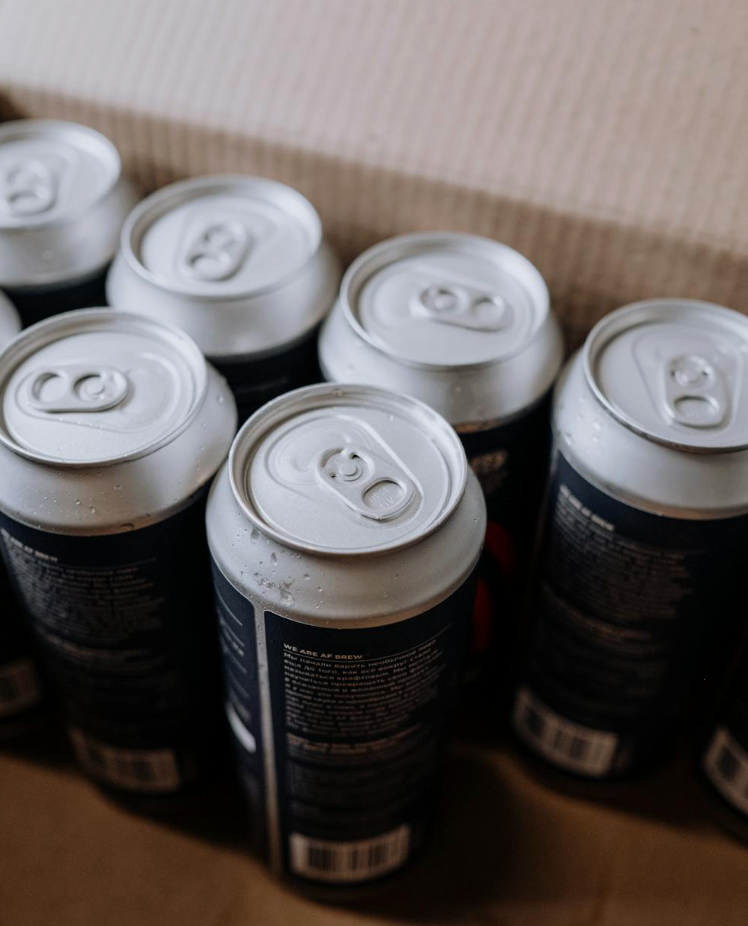
Aluminum Cans
Best for:
- RTD cream cocktails
- Modern non-alcoholic mocktails
Advantages:
- Convenience
- Broad retail compatibility
Packaging must also withstand:
- Fill temperature
- Pressure conditions
- Shelf-life requirements
Step 8: Commercial Production and Scale-Up
Once validated, your copacker transitions to full-scale production.
A strong manufacturing partner provides:
- Formula optimization
- Ingredient sourcing
- Regulatory guidance
- Batch consistency
- Quality control testing
- Commercial production management
Innovation Opportunities in Cream Beverage Copacking
Emerging cream beverage trends include:
Alcoholic
- Bourbon cream RTDs
- Tropical rum creams
- Dessert cocktail cans
Non-Alcoholic
- Functional cream mocktails
- Sparkling cream beverages
- Spirit-inspired NA cream alternatives
Examples:
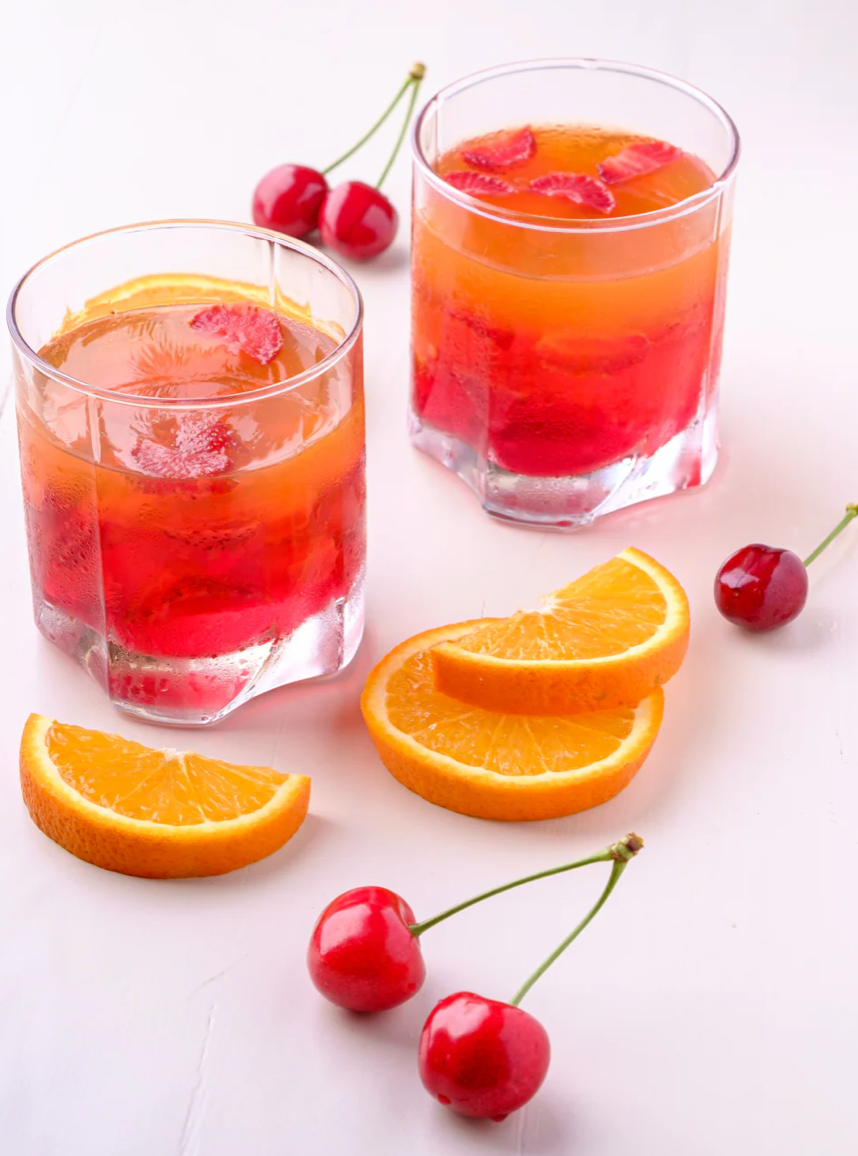
Orange Coconut Cream Mocktail
Fresh citrus + coconut cream + sparkling clementine
Vanilla Bean Bourbon Cream RTD
Banana Split Dessert Mocktail
Citrus Velvet Sambuca Cream
These products combine indulgence with modern consumer demand.
Choosing the Right Cream Beverage Copacker
Big Brands has experience with :
- Emulsion systems
- Alcoholic and NA formulation
- Shelf-life testing
- Aseptic capabilities
- Ingredient sourcing
- Commercial scale-up
Cream beverages are highly specialized.
Working with an experienced beverage formulation and copacking team ensures your concept reaches market with the stability, quality, and premium sensory experience consumers expect.
Bringing Your Cream Beverage to Life
Launching a cream-based beverage—whether alcoholic or non-alcoholic—requires the right balance of creativity and technical precision.
From concept development and flavor formulation to processing, packaging, and final production, every step matters.
With the right copacking partner, brands can transform innovative cream beverage concepts into scalable, shelf-ready products that stand out in a rapidly growing market.